Industrial plant exhaust and boiler infrastructure
FREQUENTLY ASKED QUESTIONS

The questions people
actually search for.

Nobody searches for "Sidel CREN" before they know it exists. They search the problem they're having — a boiler losing heat, a cooling tower running hot, particulate limits, a payback question. Here's what we'd tell you.

Boilers & flue gas

Stack losses and fuel cost.

Why is my boiler losing so much heat?

Most industrial boilers reject 15–30% of purchased fuel straight up the stack as flue-gas heat, plus more as blowdown and condensate losses. A flue-gas condensing economizer like the Sidel SRU recovers that low-grade heat — and often condensed water — before it exits the stack, cutting fuel use without touching the boiler itself.

How can I reduce natural gas costs in a dairy processing plant?

Dairy plants burn gas continuously for pasteurisation, CIP, hot water and drying, and reject a large share of it as boiler stack loss and refrigeration condenser heat. Recovering that heat with an SRU, buffered by Novacab TESS, targets the exact 365-day heat-and-cool cycle a dairy plant runs.

How can I reduce fuel and bagasse costs in sugar mill cogeneration?

Sugar mills already burn their own bagasse for boiler fuel, so the opportunity is recovering heat from batch-pan vapour, condenser and spray-pond systems — not burning more bagasse. The Sidel RPC and Novacab TESS platform is built around that exact sugar mill profile, stabilising vacuum and steam load across the crushing season.
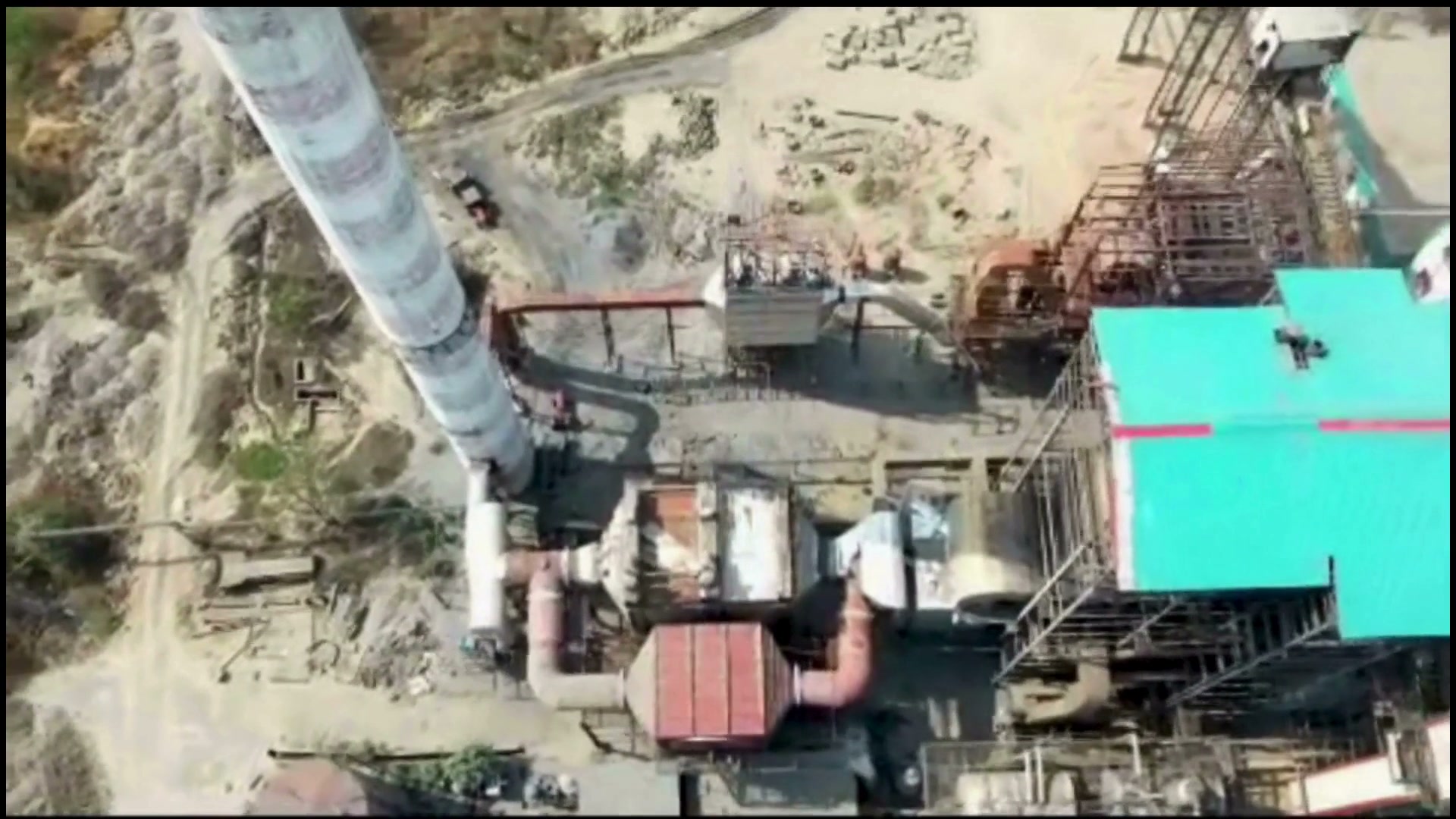
Particulate & emissions control

Beyond ESPs and baghouses.

What's an alternative to electrostatic precipitators for particulate control?

The Sidel Rotary Particulate Collector (RPC) is a self-cleaning, one-moving-part alternative to ESPs and baghouses, removing roughly 90–99.8% of particulates down to 0.1 micron without ESP plates or rappers. It also recovers heat from the same flue-gas stream, which a standalone ESP or baghouse does not.

What's the difference between a baghouse, ESP, and rotary particulate collector?

Baghouses filter particulate through fabric bags and ESPs use an electrostatic charge and collection plates — both carry real maintenance load (bag replacement, rappers, plate cleaning). The RPC uses one moving part with a self-cleaning mechanism and recovers heat from the same gas stream, which neither alternative does.

How is fly ash from coal plants recycled or reused?

Fixed-carbon ash captured by the RPC is a consistent, engineering-grade feedstock rather than landfill waste — established uses include cement manufacturing, high-refractory brick, industrial abrasives, insulation and construction-site material. More on the power generation page.

Power generation & output

More output, same fuel.

How can I get more output from an existing coal or gas power plant without burning more fuel?

Recovering rejected heat from boiler exhaust, condensers and cooling towers with the RPC, SRU and Novacab TESS platform, then converting the highest-quality heat to electricity through an ORC turbine, targets a 20–25% net output increase from the same fuel input where site conditions support it. More on the power generation page.

Can waste heat be converted into electricity?

Where recovered heat is stored above roughly 122°F (50°C), an Organic Rankine Cycle (ORC) turbine can convert it into behind-the-meter electricity — the same basic principle as a steam turbine, but suited to lower-grade heat than steam cycles can use.

What is a community microgrid and how does it work?

A concentrated solar thermal (CST) field directs solar heat into Novacab TESS, which stores it and discharges through an ORC turbine on demand — dispatchable, behind-the-meter power for a community's essential loads, with no lithium-ion battery in the loop. More on the community microgrid page.

Cooling towers & thermal storage

Storing heat, cutting cooling load.

How can I reduce cooling tower energy and water use?

Novacab TESS can intercept heat before it reaches final rejection, buffering and time-shifting cooling-tower duty cycles so compressors, fans and pumps run less — and evaporative water loss drops with them. Sidel CREN is also developing a dedicated cooling-tower water recovery system; contact the team for its current status.

What is thermal energy storage and how does it work?

Novacab TESS stores recovered heat as latent heat in a synthetic phase-change material (SPCM), acting as a rechargeable thermal battery that can hold energy from roughly 122°F (50°C) up to 800°F+ (427°C+) and release it later for process use or power generation.

How much heat does a data center's cooling system waste?

Cooling can account for up to 80% of a data center's non-compute power draw, and as liquid and immersion cooling push return temperatures above 122°F (50°C), that heat becomes recoverable rather than simply rejected to a cooling tower.

Waste heat, CO₂ & investment

What it's worth, and where it goes.

What can be done with waste heat and CO2 from industrial exhaust?

After the platform recovers and converts what it can into power, the remaining clean CO₂ and water vapour can be routed to a greenhouse for year-round food production, or used directly for building and process space heating.

Is industrial waste heat recovery worth the investment?

Waste heat recovery pays for itself by capturing fuel you have already bought and paid for once — it is not a speculative energy project. Waste is not waste if it has a purpose. Sidel CREN never quotes savings before a metered baseline and a bypassable pilot prove the real numbers for your specific site — see our approach.

What's the payback period for industrial waste heat recovery?

Payback depends entirely on site-specific fuel cost, waste-heat quality and volume, so Sidel CREN doesn't publish a blanket number. The process starts with a data request and a metered pilot specifically to establish a real, bankable payback figure before anyone commits to a full rollout.

Still have a question?

Ask the team directly.

Every answer above is a starting point, not a site-specific quote. The fastest way to a real number is a data request and a metered baseline.

← Where it appliesIndustries We Serve