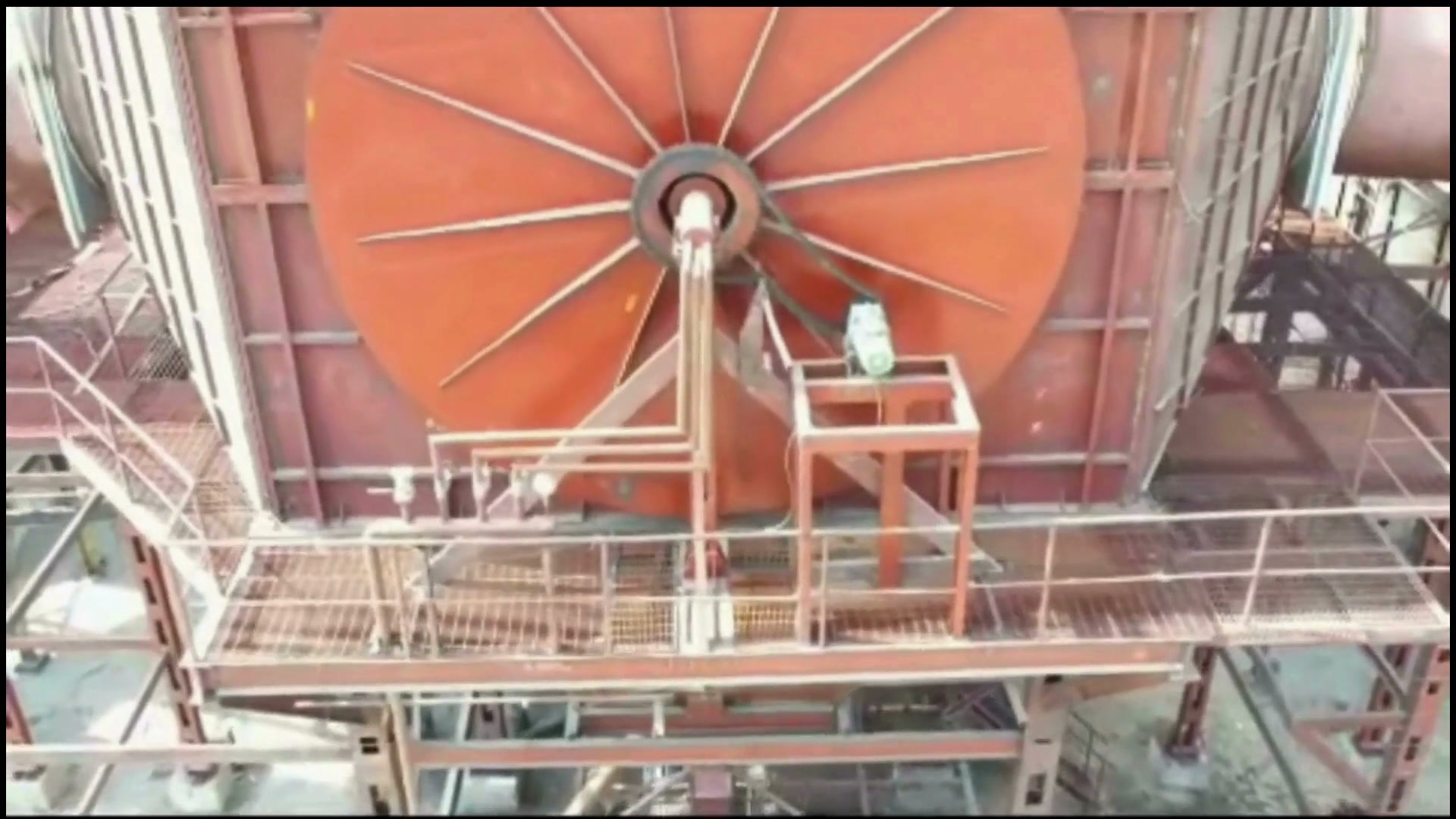
The rotary disc of an installed Sidel Rotary Particulate Collector
STEP 1 · Sidel Systems · U.S. Patent 9,682,340 B2

The Rotary
Particulate Collector.

A patented, self-cleaning particulate collector that pulls fine dust, smoke and airborne contaminants out of flue gas — while recovering the heat — with a single rotating collection unit.
0%
particulate captured — fine dust, pollen & smoke
0
self-adjusting collection unit — no plates, rappers or electrodes
0
Mg/Nm³ emissions at the first co-gen installation — with one RPC
0
U.S. patent granted & protected
How it works

Dirty gas in.
Clean gas out. Ash in the hopper.

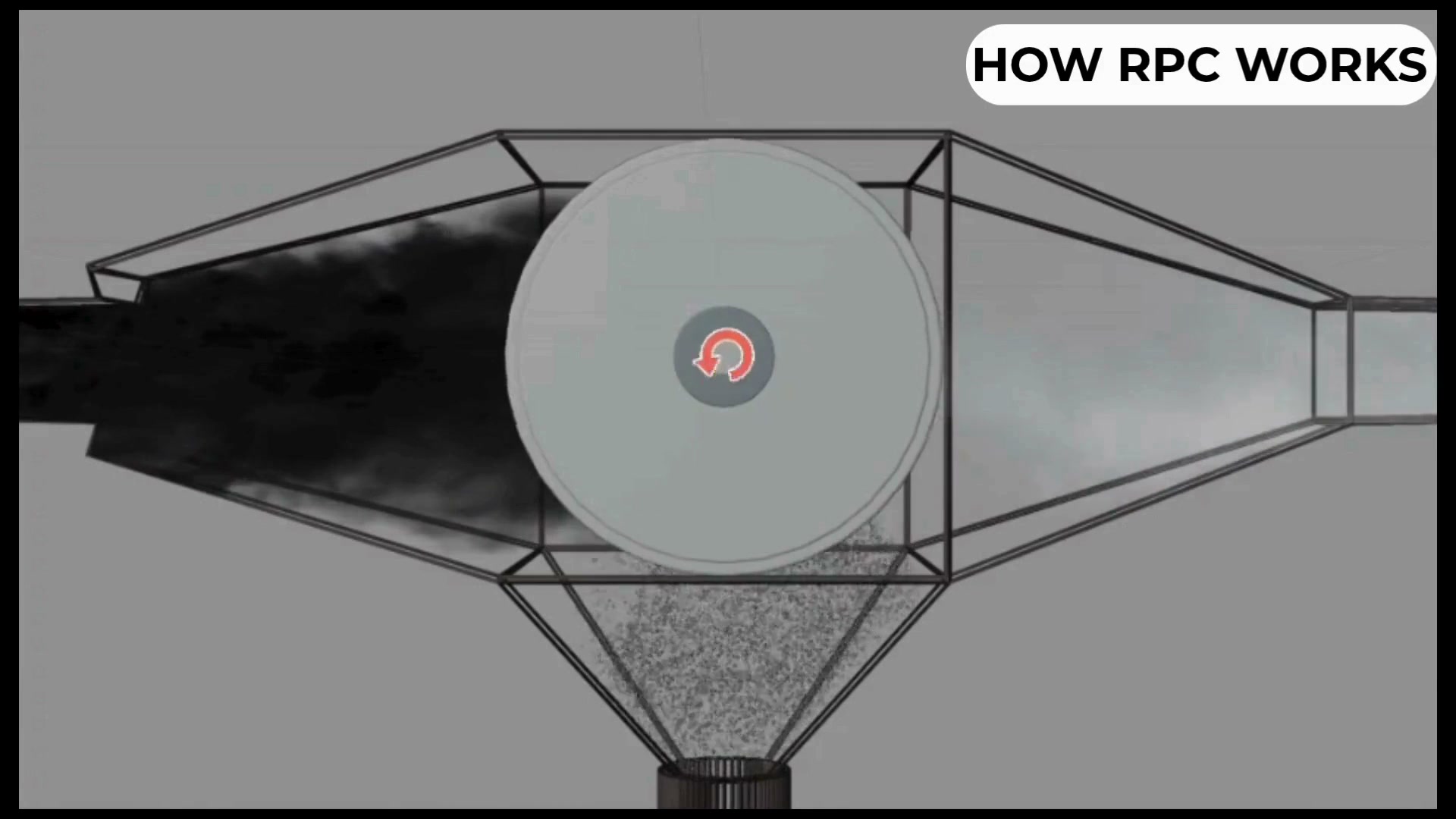
Flue gas from the boiler enters the collector housing. A rotating collection disc — variable in movement, speed and displacement — intercepts entrained particles of any size or distribution, self-adjusting to the volume of flow. Collected ash drops into hoppers below and is discharged partially wet, so nothing scatters in the wind.

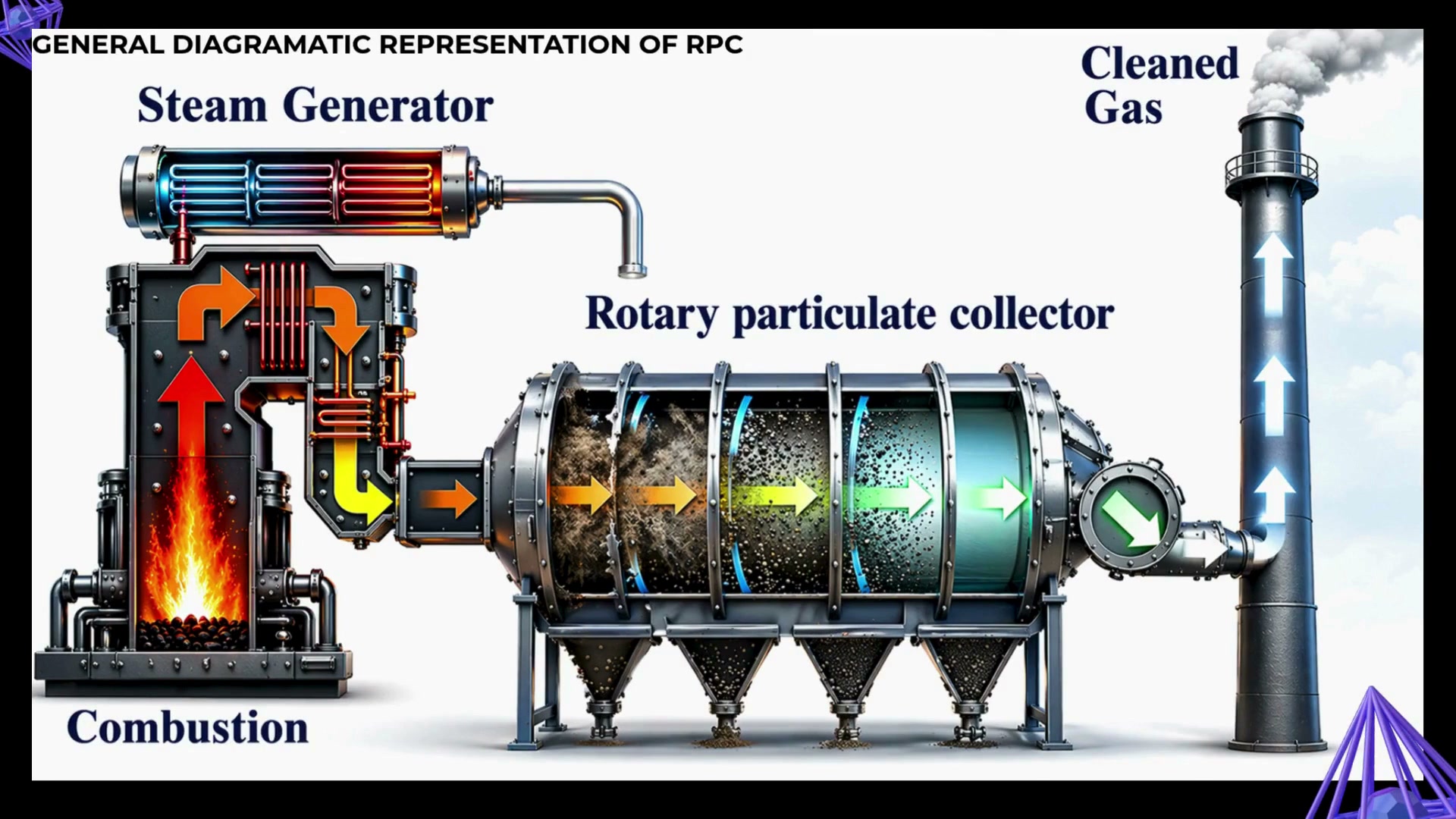
Diagrammatic representation of the RPC: combustion, steam generator, rotary particulate collector, cleaned gas to stack
General diagrammatic representation: combustion gases pass from the steam generator through the rotary particulate collector — cleaned gas continues to the stack, ash is collected in hoppers below.
3D animation still of the RPC capturing dark particulate from flue gas

One moving part. Zero drama.

In lieu of flat plates, rappers and electrodes — the failure points of conventional electrostatic precipitators — the RPC uses a single connection unit, suitably sized through Sidel Systems' proprietary design.

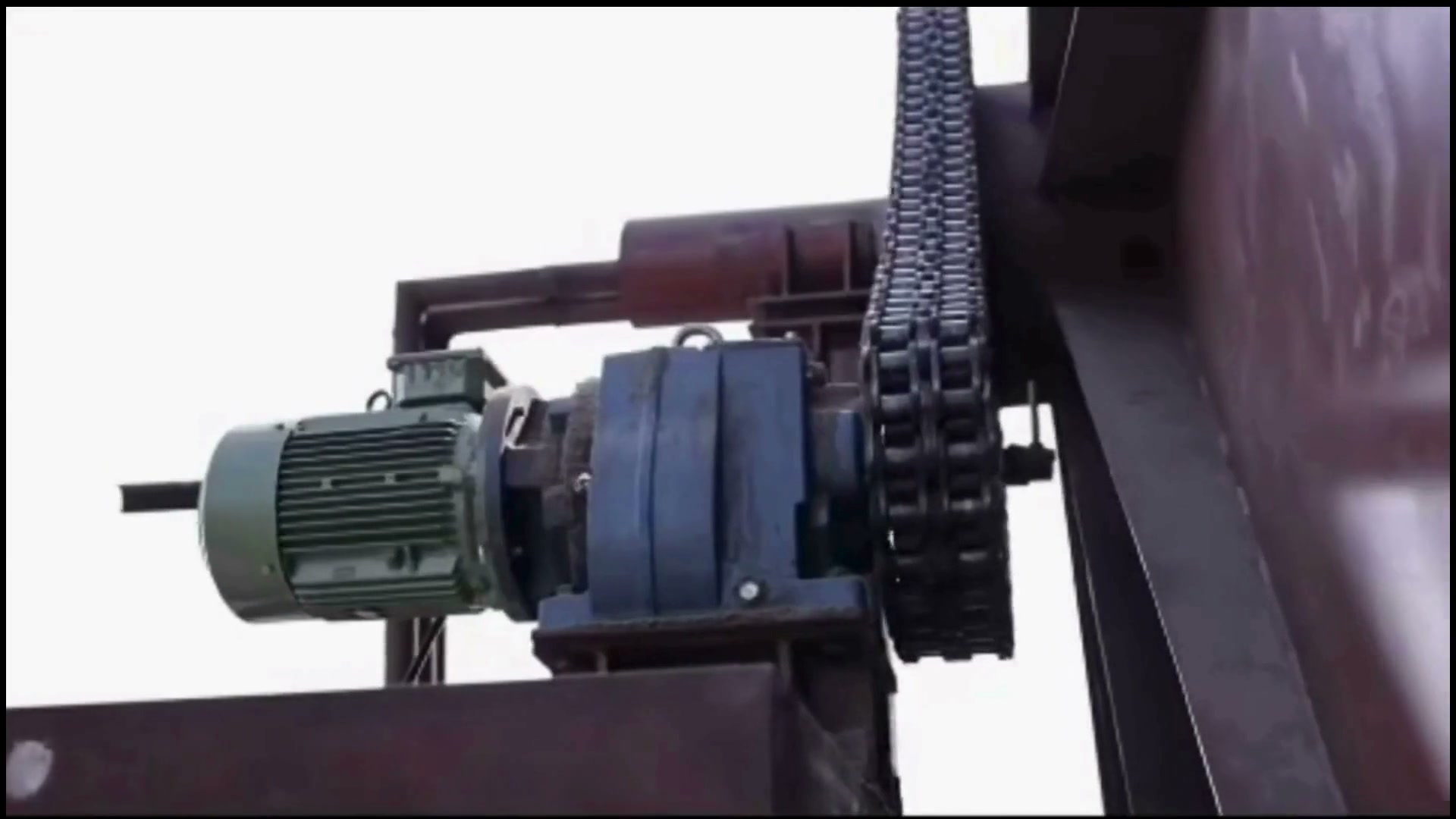
The collector plate system is self-cleaning, powered by an external, easily accessible electrical drive. Low pressure drop means lower fan energy and lower operating cost.

Smart from the factory.

Control and monitoring systems come preprogrammed for automatic or manual operation. Data streams in real time — collection rates, gas flow, power consumption — with controls that adjust automatically.

That telemetry can be sent to any website of choice, or straight to the smartphones of your operations personnel. The whole assembly ships as a fully assembled package — minimal site setup, corrosion-resistant construction, guaranteed durability, with man-ways, platforms and ladders built in for easy maintenance.

External electrical drive system with chain drive on the installed RPC
Why choose RPC

Built to beat the alternatives.

🌀

High Efficiency

Captures fine dust, pollen and smoke across any particle size or distribution.

🧹

Self-Cleaning

Automated, continuous maintenance — no shutdown-and-rap cycles.

Energy Saving

Low pressure drop = lower fan costs, and recovered heat feeds the rest of the system.

🛠️

Low Maintenance

External, accessible drive; corrosion-resistant everything; ships fully assembled.

🛡️

Higher Safety Rating

Fewer mishap and explosion risks than high-voltage electrostatic precipitators.

📉

Low Installation

Compact footprint and modular sheet-metal housing with flanged duct connections.

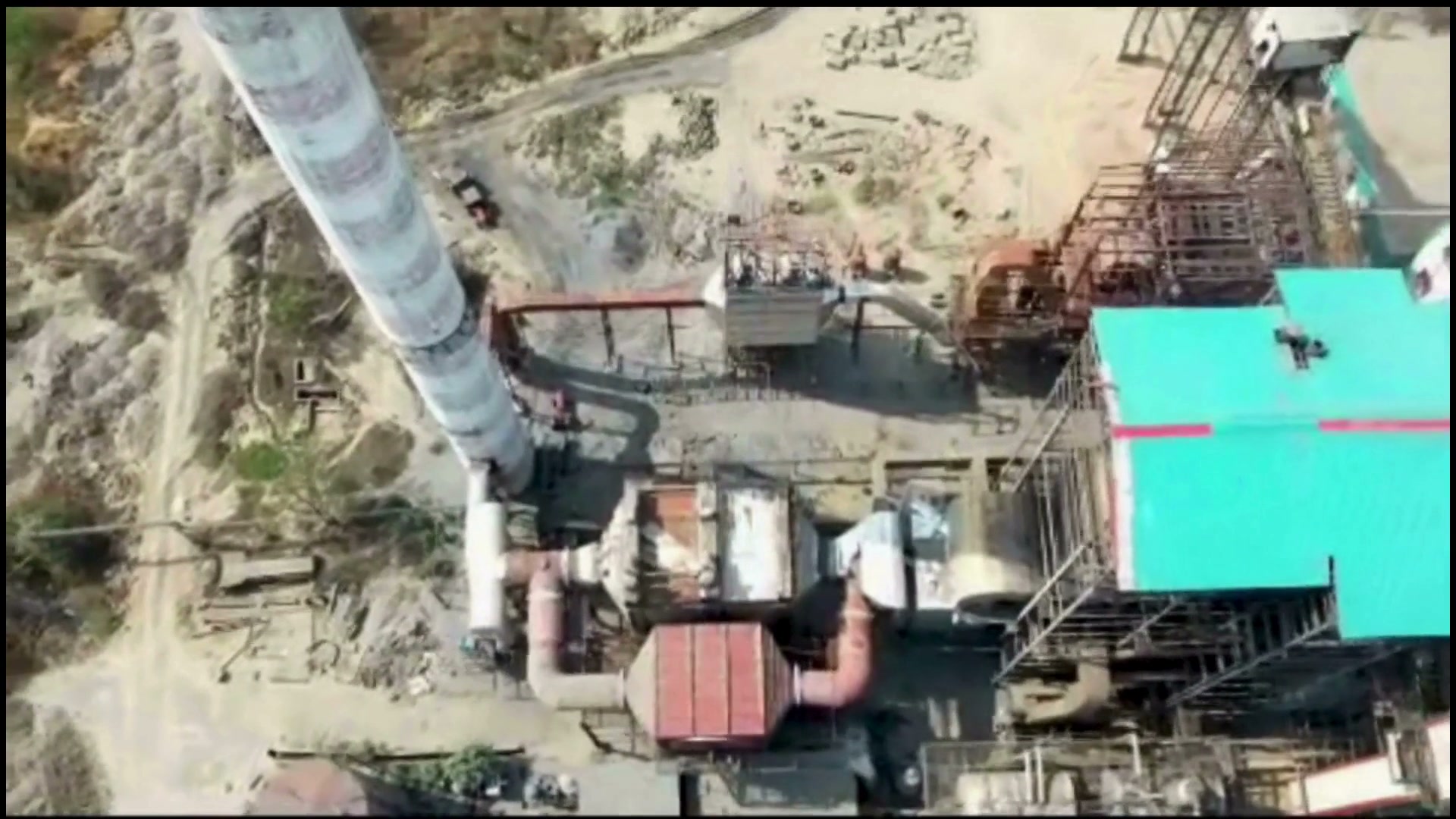
Aerial view of India's first industrial RPC installation
Proven in the field

India's first RPC project.

Installed at a leading sugar producer in Maharashtra on a 75 TPH boiler co-generation plant — cutting emissions from 150 to 32 Mg/Nm³ with a single RPC as fourth-generation pollution control equipment. Designed by Parthosarothy "Partho" Mukharji.

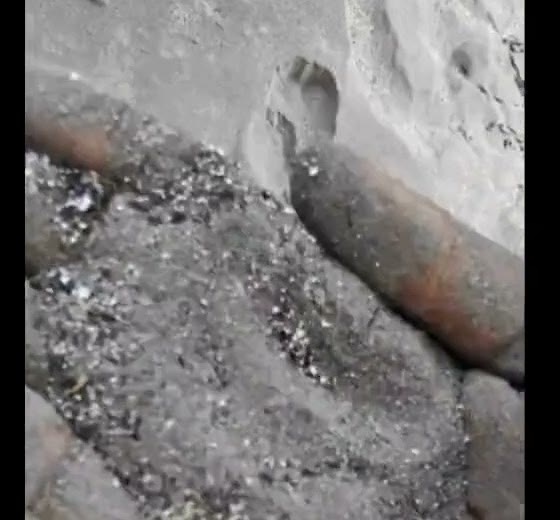
Coarse and fine ash collected by the RPC

The ash doesn't blow away. It gets collected — and reused.

Both coarse and fine ash are collected via the hopper system with rotary air-lock valves preventing air ingress. Discharged partially wet, the material stays put and is easy to handle.

Recovered particulate can be evaluated for fertilizer reuse — turning a disposal problem into a by-product with value.

Operators applauded the results: "Happy to note an excellent performance… clear smoke from the chimney." — sugar industry technocrats, Maharashtra

← The SystemOverview