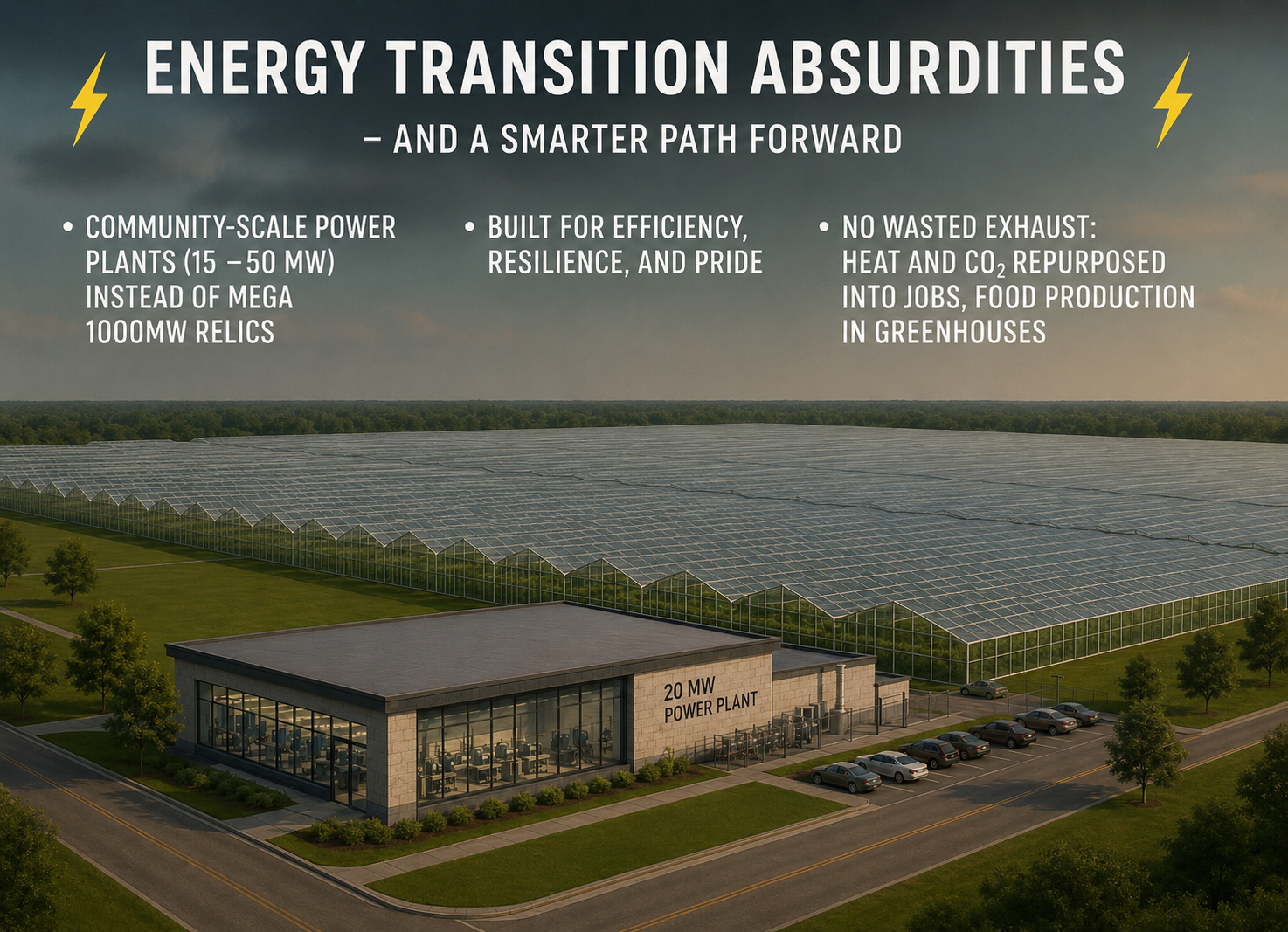
Plants grow faster with supplemental CO₂, steady warmth, and water. The Sidel CREN chain produces all three as by-products: the SRU condenses clean water, the storage stage delivers steady low-grade heat, and the cleaned exhaust supplies CO₂ enrichment. What used to be a compliance problem becomes the anchor of a local food economy.
🥬
Local Food Security
Fresh produce grown beside industrial communities — not trucked in from another hemisphere.
👷
Jobs & Training
Greenhouse operations create employment, training, and agricultural entrepreneurship.
🏛️
A Visible ESG Story
Utilities, regulators, and host communities see the benefit with their own eyes — clear stacks and green rows.